

Does Botox Hurt? What to Expect During and After Treatment
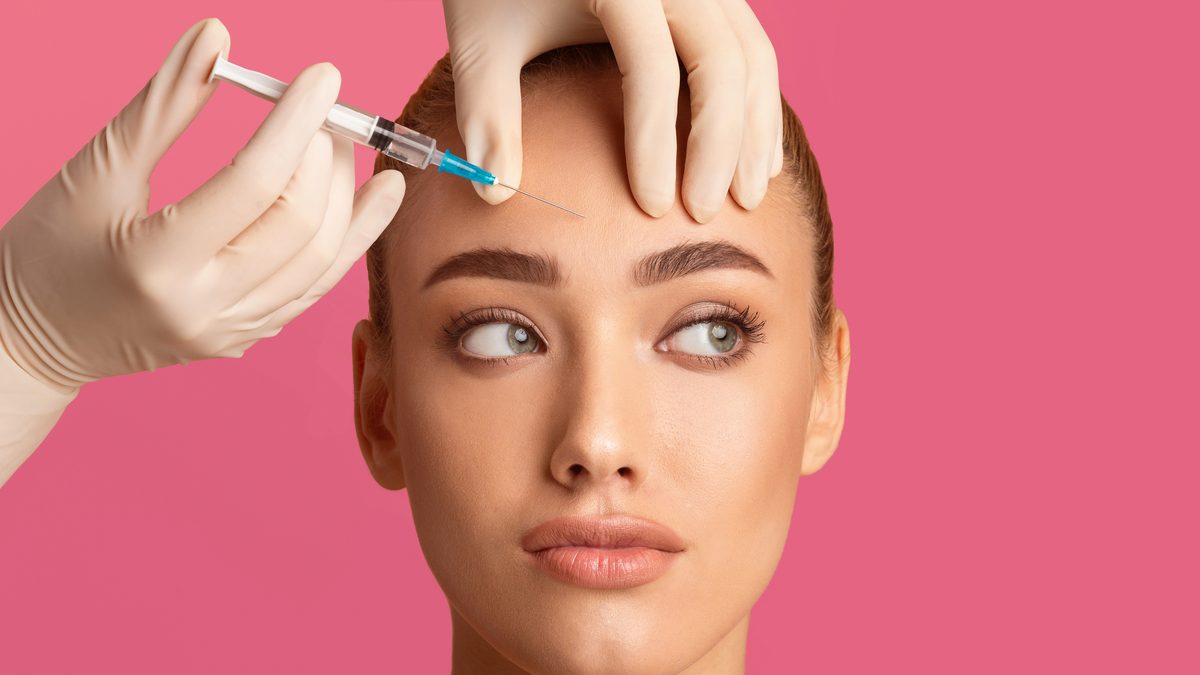
Pain tolerance is one of the most common concerns for first-time patients. The honest answer: for most people, botox is far more manageable than they expect. But "not painful" is different from "feeling nothing at all" — and you deserve to know exactly what to expect.
What You Feel During Treatment
Botox is administered with very fine-gauge needles designed for superficial injections. Each injection lasts less than a second. Most patients describe the sensation as a quick pinprick — felt and forgotten almost simultaneously.
A standard forehead and frown line treatment involves 5–15 injections depending on the areas treated. The full procedure takes 10–20 minutes.
Sensitivity by area
- Forehead and frown lines: medium to good tolerance. Brief pressure sensation.
- Crow's feet: skin is thinner here, slightly more sensitive for some patients.
- Bunny lines (nose): typically the most sensitive botox area on the face.
- Chin and mentalis: variable — many patients barely feel it, others are more sensitive.
- Lip flip (upper lip): higher nerve density makes this slightly more noticeable.
Numbing Cream — When to Use It
At Cosmo Clinic, we apply topical anaesthetic cream (5% lidocaine) as standard in more sensitive areas, or whenever a patient requests it. Applied 20–30 minutes before treatment, it eliminates virtually all discomfort.
If this is your first treatment, we recommend requesting the numbing cream — it takes no extra time, does not affect results, and removes the uncertainty about pain entirely.
What You Feel After Treatment
Immediately after:
- Small red dots at injection points — resolve in 15–30 minutes
- Possible minor localised swelling — resolves in 1–2 hours
- Occasionally, small bruising — resolves in 3–7 days
In the first 24–48 hours, some patients notice a mild sensation of tightness or heaviness in treated areas. This is a normal sign that the toxin is beginning to take effect and resolves on its own.
Intense pain, spreading redness, or swelling that worsens are not expected — contact the clinic if these occur.
Does Lip Filler Hurt More Than Botox?
Honest answer: yes. The lips have one of the highest nerve-ending densities in the body, so lip filler causes more discomfort than forehead botox.
How we minimise it at Cosmo Clinic:
- Topical anaesthetic cream applied 20 minutes beforehand
- Premium fillers with built-in lidocaine (the anaesthetic is incorporated into the product formula)
- Slow, controlled injection technique
- Natural breaks during treatment if needed
Result: the vast majority of patients describe lip filler as "uncomfortable but completely manageable." None report that the pain would stop them coming back.
FAQs
Does botox hurt?
Most patients describe quick pinpricks similar to a mosquito bite. With topical numbing cream, discomfort is minimal. Procedure takes 10–20 minutes.
How long does discomfort last after botox?
Redness at injection points resolves in 15–30 minutes. A tightness sensation in the first 24–48 hours is normal. Intense pain is not expected.
Which botox areas hurt the most?
Bunny lines (nose) and lip flip tend to be most sensitive. Forehead has good tolerance. Topical anaesthetic eliminates most discomfort in any area.
Do I need numbing cream for botox?
Not required, but available on request. Applied 20–30 minutes before, it eliminates virtually all discomfort. Recommended for first-time patients.
Does lip filler hurt more than botox?
Yes — lips have higher nerve density. We use topical numbing and lidocaine-formula fillers. Most patients describe it as uncomfortable but manageable.
Book a Free Consultation in Lisbon
Speak to Dr. Sandra Valente about any concerns before booking your treatment. English-speaking clinic, INFARMED-registered.
Botulinum Toxin TreatmentsFree Consultation