


Botox
Preventive Botox: When to Start and Is It Worth It?

A clinical guide to indication, candidates, and what preventive botox can — and cannot — do.
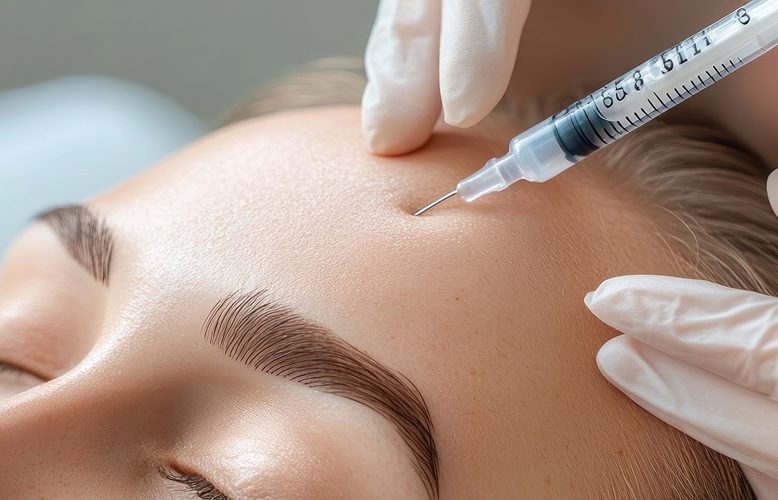
Preventive botox is one of the most searched topics in aesthetic medicine — and one of the most misunderstood. The core question is simple: does it make sense to treat wrinkles before they exist? The answer, as with most things in medicine, is: it depends.
This article explains how doctors approach preventive botox, at what age there is a real clinical indication, and what the evidence says about efficacy and safety.
What is preventive botox?
The term "preventive botox" refers to the application of botulinum toxin before expression wrinkles become permanent. The logic is muscular: expression lines form through the repeated contraction of facial muscles. Smiling, frowning, squinting — these movements, over years, crease the overlying skin into permanent marks.
Botulinum toxin temporarily blocks the nerve signal that causes the contraction. If the muscle moves less, the skin folds less, and the mark takes longer to form. This is the mechanism that underpins the preventive argument.
Important: preventive botox does not stop general ageing — it does not address volume loss, collagen breakdown, or sun damage. Its scope is specific: dynamic expression wrinkles.
What age does it make sense to start?
There is no universal minimum age. Doctors assess the presence of expression lines at rest — marks that are visible even when the face is relaxed. This is the relevant clinical boundary, not the number on the ID card.
Ages 20–29
In most cases, no indication. Expression lines are dynamic (disappearing when the face relaxes) and no resting wrinkles exist. Treatment at this stage can occur in specific cases — thinner skin types, a strong family history — but is not the norm. A medical consultation establishes whether a real indication exists.
Ages 30–39
This is the range where preventive botox most commonly has a clinical indication. Expression lines begin to appear lightly at rest, particularly in the glabella, forehead, and eye area. Treating at this stage can significantly slow the progression to deep established wrinkles.
From 40 onwards
At this stage, "preventive" is no longer entirely accurate — static wrinkles already exist at rest. Treatment is equally effective, but the goal shifts from prevention to maintenance and improvement. Botox softens existing lines and prevents them from deepening further over time.
Who is a good candidate?
The indication for preventive botox requires in-person medical assessment. In general terms, the most appropriate candidates have:
- Moderate to pronounced expression lines at rest (not only when the face is moving)
- A family history of early facial ageing
- A lighter skin phototype (thinner skin tends to mark earlier)
- Realistic expectations — understanding this is a maintenance treatment, not a transformation
Not candidates: people without resting lines, people seeking botox from social pressure without a clinical indication, or people with medical contraindications.
What preventive botox cannot do
It is important to be clear about the treatment's limits:
- It does not prevent general ageing — the skin ageing process includes volume loss, texture changes, pigmentation, and laxity. Botox does not act on any of these.
- It does not work on deep static lines — deeply established lines in the skin do not disappear with botulinum toxin alone.
- It does not replace skincare — sun protection, hydration, and antioxidants have real and complementary impact on ageing prevention.
Cost-benefit: how to think about the investment
Preventive botox is a maintenance commitment — typically two to three sessions per year. The cumulative cost over years is real. The counterargument is that, where a clinical indication exists, early treatment may reduce the need for more extensive and costly treatments in the future.
The decision is not universal — it depends on individual factors: current skin condition, goals, willingness to maintain treatment and, above all, the assessment of a qualified medical professional.
How does the assessment work at Cosmo Clinic?
At Cosmo Clinic, the first consultation always begins with assessment — not treatment. The doctor analyses expression lines in movement and at rest, evaluates muscle tone, and discusses the patient's goals. Treatment only proceeds when there is a clinical foundation for it.
If you are unsure whether preventive botox is indicated for your case, book a no-commitment assessment.
To better understand the safety profile of botulinum toxin, read our article on botox myths and facts — we address the most common concerns with clinical evidence.