
Clinical guide · 5 min read
Botulinum toxin: what can go wrong, and what cannot
Anyone considering botulinum toxin deserves numbers, not alarm and not reassurance. The common effects and how long they last, the rare complications and how they happen, who should not have it, and what changes with who injects.

Botulinum toxin type A is one of the most studied medicines there is. It was used in neurology and ophthalmology decades before it was licensed for aesthetic use, and there are more than 20 years of data from cosmetic use. That does not mean it has no risks. It means the risks are counted, ranked by frequency and, in most cases, avoidable with the right technique.
Here they are in the order we discuss them at the consultation: what the evidence says about safety, the common effects and how long they last, the rare complications and why they happen, who should not have it, what to tell us beforehand, and what changes with who injects.
What the evidence says
Botulinum toxin type A is a prescription medicine with a marketing authorisation for aesthetic use. In Portugal it is regulated by INFARMED, and it may only be given by qualified health professionals in an establishment registered with the ERS.
Safety reviews of cosmetic use, including series with more than ten years of follow-up, say the same thing: serious events are rare, and almost every effect recorded stays at the injection point, is temporary and passes without treatment. The condition never changes: a certified product, an aesthetic dose and an injector who knows facial anatomy. Outside a clinical setting, the numbers are different.
Common effects: temporary and local
They happen in 5 to 25% of treatments, depending on the effect, and pass on their own.
| Effect | Frequency | Usual duration |
|---|---|---|
| Bruise at the injection point | 10–25% | 5–10 days |
| Mild swelling | 5–15% | 24–48 hours |
| Passing headache | 5–10% | 24–48 hours |
| Discomfort or tightness in the area | 5–10% | 1–3 days |
| Redness at the injection point | 5–8% | Hours |
Bruising is the most common and says nothing about the quality of the treatment. It depends on each person's vessels and on things like aspirin, ibuprofen or omega-3 in the days before. Stopping those 7 to 10 days ahead, when possible, lowers the risk.
Most people who talk about "side effects" are describing a bruise or two days of swelling. That is what any needle does.
Rare complications: what they are and how they happen
A dropped eyelid. The most feared complication in forehead and frown-line treatments. In the literature, between 1 and 5% in mixed series, and under 1% when the injector has specific training. It happens when the toxin reaches the muscle that lifts the lid, from an injection too close to the orbit or too high a dose. It lasts 4 to 8 weeks, and an eye drop eases it in the meantime.
Asymmetry. One side responds more than the other. It can come from an asymmetry that was already there and was not documented, from uneven points, or from a different response on each side. It is corrected at the two-week review with a touch-up.
Spock brow. When the forehead muscle is treated in the centre and not at the sides, the outer part rises too much. Not dangerous, just unflattering, and fixed with an extra point at the side.
Difficulty swallowing. Described in neck treatments at high doses, not in aesthetic facial treatments.
Who should not have it
The assessment consultation exists, in part, to find these situations.
Never: pregnancy and breastfeeding; neuromuscular diseases such as myasthenia gravis, Lambert-Eaton syndrome or ALS; a documented allergy to the toxin or a component of the formulation; an active infection in the area to be treated, including a cold sore.
Case by case: anticoagulants and antiplatelets (aspirin, warfarin, clopidogrel and the newer oral anticoagulants), because they add bruising; aminoglycoside antibiotics, because they strengthen the toxin's effect; any neurological diagnosis, even a stable one. Never stop prescribed medication on your own: it is discussed at the consultation and, if needed, with whoever prescribed it.
What to tell us beforehand
All your medication, including supplements: omega-3, vitamin E, ginkgo, turmeric. Previous toxin treatments, and how you reacted. Any neurological diagnosis. Pregnancy, or plans for one. Allergies, including to albumin. Frequent cold sores.
None of this is paperwork. It is what separates a predictable treatment from an unpredictable one.
What changes with who injects
The complications above are not random. A dropped lid, asymmetry and a Spock brow have technical causes: not knowing the planes, putting the needle in the wrong place, not adjusting the dose to the muscle in front of you.
A team trained in facial anatomy watches the face move before deciding points and dose, documents the asymmetry that is already there, keeps a safe distance from the muscles at risk, uses fine needles, applies pressure after the injection and books a review at two weeks.
Before booking anywhere, check the clinic's registration with the ERS at ers.pt and ask who injects and with what training.
When the result looks artificial
The frozen-face look is not an effect of the toxin. It is the result of three technical errors.
Excessive dose for the anatomy. Each muscle has a different strength, and that strength varies between people. The same muscle in two people requires different doses. A dose calibrated to the muscle's actual strength preserves some natural movement; a standard dose without individual adjustment can eliminate it entirely.
Incorrect injection points. The muscles of the face work in coordination. Relaxing one without accounting for its antagonists causes the untreated muscles to compensate, creating asymmetry. The Spock brow, for example, results from injection points in the forehead that leave the lateral part rising more than it should.
Wrong indication. Deep static wrinkles do not respond to the toxin the same way dynamic ones do. Treating with toxin what calls for filler does not improve the result.
Assessing the face in movement before deciding points and dose is what separates a natural result from an artificial one.
The short version
The common effects are small and pass within a week. Complications are rare, nearly always technical and reversible. There is a group of people who should not have it, and the consultation exists to identify them. At Cosmo Clinic the assessment is free, includes this screening and commits you to nothing. Treatments and prices are under botulinum toxin.
Frequently asked questions
Short answers to the questions we hear every day. Everything else belongs in the consultation.
Is botulinum toxin safe?
It is a prescription medicine, authorised for aesthetic use and regulated in Portugal by INFARMED. With an authorised medicine, an aesthetic dose and a trained team, serious adverse effects are rare. The common ones are small and pass on their own.
What are the most common side effects?
A bruise at the injection point (10 to 25% of people), mild swelling (5 to 15%), a passing headache (5 to 10%) and local discomfort (5 to 10%). All temporary, none needs treatment.
Can it cause permanent damage?
In facial aesthetic use, at usual doses, no permanent damage is described in the literature. The effect is reversible and fades over 3 to 4 months. The complications people talk about most, a dropped eyelid and asymmetry, are temporary.
Who should not have it?
Pregnant and breastfeeding women, people with neuromuscular diseases (myasthenia gravis, ALS, Lambert-Eaton syndrome), anyone with a documented allergy to the product, and anyone with an active infection in the area. Anticoagulants and some antibiotics call for a case-by-case assessment.
Is a dropped eyelid reversible?
Yes. It happens when the toxin reaches the muscle that lifts the lid. It passes within weeks as the product breaks down, and there are eye drops that help in the meantime.
Can I become resistant to the toxin?
The body can make antibodies, but it is rare with current formulations and aesthetic doses. The risk rises with very high doses or very short gaps between sessions.
Related treatments
 Botulinum toxin · Bunny lines
Bunny lines botulinum toxin
Softens the small lines on the sides of the nose.
 Botulinum toxin · Chin
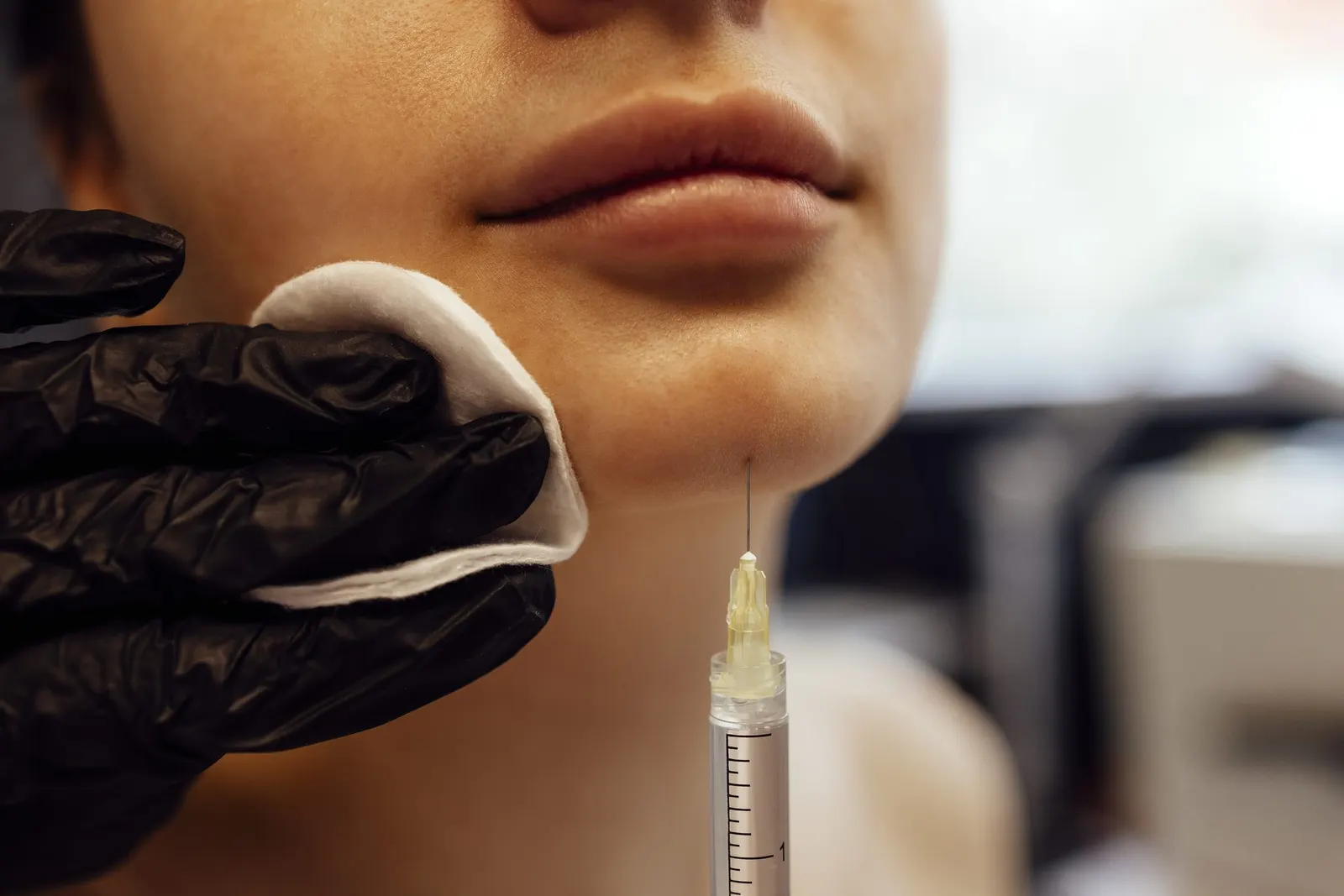
Chin botulinum toxin
Smooths the orange-peel texture of the chin when you talk or smile.
 Botulinum toxin · Crow's feet
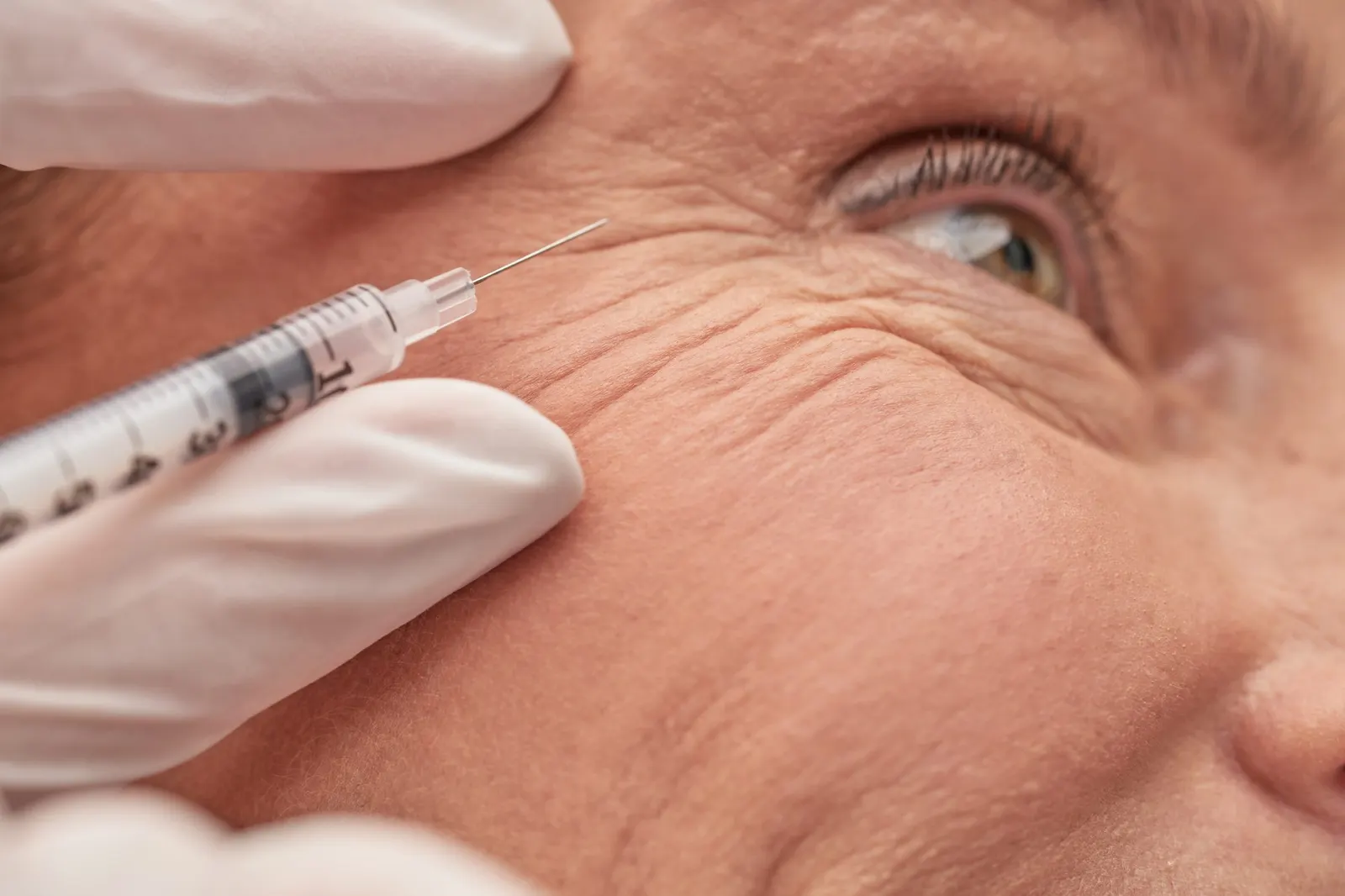
Botulinum toxin for crow's feet
Softens the lines beside the eyes without taking the smile.
Keep reading
 Botulinum toxin
How long does botulinum toxin last? Three to six months, depending on you
It is the question everyone asks before a first treatment. The answer has numbers by area, a day-by-day calendar, and three or four things that make the effect last longer or shorter in your case.
 Botulinum toxin
Botulinum toxin aftercare: the first 24 hours
Almost every question comes after the treatment. Can you go to the gym? Lie down? Have a glass of wine at dinner? Wash your face? The answers, with the reason behind each one.
 Clinical guide
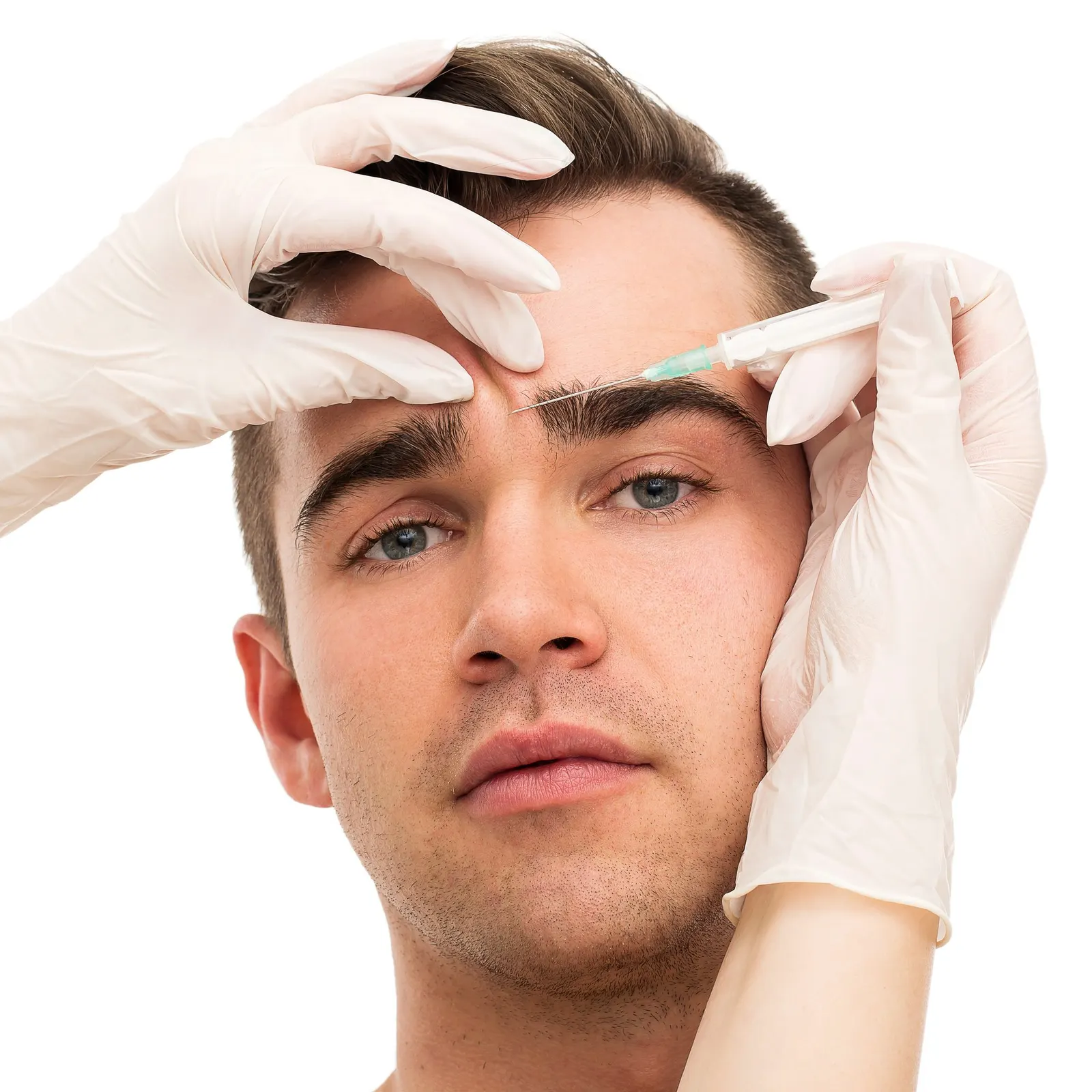
Botulinum toxin for men: rested, not different
A male face has stronger muscles, brows that should stay put and an expression nobody wants to lose. That changes the dose, the technique and what you can expect. The facts, and the prices.
Book a consultation
Start with a conversation.
Leave your name and number. We call or reply on WhatsApp, in English or Portuguese.
- Assessment consultation free of charge
- Prices published for every treatment
- No commitment