


Under-Eye Filler in Lisbon: What to Expect Step by Step
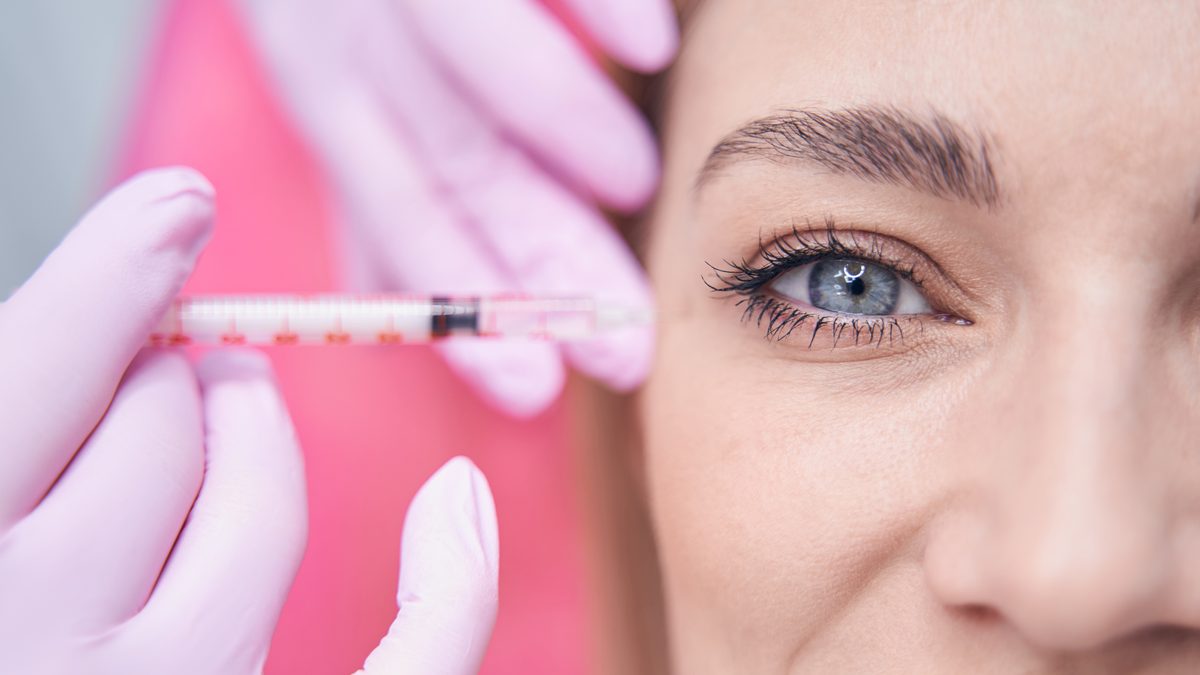
What actually happens when you get under-eye filler in Lisbon — from first consultation through recovery. Written for expats and first-timers at Cosmo Clinic.
Cosmo Clinic Editorial — — 9 min read
You have booked an under-eye filler appointment in Lisbon — or you are seriously thinking about it. Either way, knowing exactly what happens at each stage takes the uncertainty out of the decision. This guide walks through the full experience at Cosmo Clinic, from the first WhatsApp message to the two-week follow-up.
Before your appointment: what to prepare
You will be asked to arrive with clean skin (no make-up under the eyes). For the week before, avoid blood-thinning supplements — aspirin, ibuprofen, omega-3 in high doses, vitamin E — as these increase bruising risk. Alcohol 24 hours before also worth skipping for the same reason.
The clinic texts you a reminder with the address the day before. Parking is available on Rua Filipe Folque or in the Saldanha area. The session itself takes around 30 minutes; budget an hour total including pre-treatment prep and post-treatment photos.
The consultation: what the doctor looks for
Under-eye filler is not right for everyone. The first thing the doctor assesses is your anatomy: the depth of the tear trough, whether shadowing is caused by volume loss (filler helps) or by excess fat herniation or skin laxity (filler may make things worse). This is the most important step — a good practitioner will decline to treat if the anatomy is not right for filler.
They will also check your skin quality, existing facial volume, and ask about your goals. "I look tired all the time" is the most common reason people come in. The conversation is in English — both the medical team and reception handle English speakers routinely.
The treatment: what happens in the room
A topical anaesthetic cream is applied for 15–20 minutes before treatment. The tear trough area is sensitive, and this significantly reduces discomfort. Most patients describe the sensation as mild pressure rather than pain.
The injections use a fine cannula (a blunt-tipped needle) rather than a sharp needle. Cannula technique reduces bruising risk and allows the filler to be placed more precisely in the periorbital anatomy. 0.5–1 ml of hyaluronic acid per side is typical, depending on depth of hollowing.
The whole procedure takes 15–20 minutes once the anaesthetic has worked. You remain seated or slightly reclined throughout. Post-treatment, the area is gently massaged to ensure even distribution.
Immediately after: what you will see
In the first hour, some swelling is normal — the area can look slightly puffy. This is temporary. Most patients see the initial look they came for within 24 hours once early swelling settles. Bruising is possible but not universal, particularly with cannula technique.
You can return to normal daily activity immediately. The main restrictions for the first 24 hours: no gym, no sauna, no facial massages, and avoid sleeping face-down. Make-up can go back on after 12–24 hours.
Days 1–14: the settling phase
Hyaluronic acid attracts water — it is hydrophilic by nature. In the first week, the filler draws in fluid, which means some patients notice the area looks slightly fuller or slightly uneven before it settles. This is normal and almost always resolves by day 10–14.
Full result is visible at two weeks. The clinic schedules a follow-up call or brief in-person check at the two-week mark to confirm result and address any questions. If a small touch-up is needed, it is done at this stage.
How long does it last?
Tear trough filler typically lasts 9–18 months. The under-eye area metabolises HA more slowly than the lips (less muscle movement) but faster than areas with minimal activity. Most patients return for a top-up at 12–15 months. There is no fixed interval — you return when you notice the hollowing returning.
When filler is not the answer
If the assessment finds that fat herniation (eye bags) is the dominant cause of the shadow, filler will not improve and could worsen the appearance. If skin laxity is significant, volumising with filler may not address the underlying issue. In these cases, the doctor will explain why and may suggest alternative approaches. Getting a clear-eyed clinical assessment is more valuable than any treatment.
What the Lisbon expat experience looks like at Cosmo Clinic
Consultations and post-care communication are fully in English. Treatment records are kept in digital form. If you are in Lisbon for a limited time, the clinic can sometimes accommodate same-day or next-day bookings — contact via WhatsApp for availability. The clinic is a 10-minute walk from Marquês de Pombal metro (yellow and blue lines) and 7 minutes from Saldanha (yellow line).
Under-Eye Filler · Lisbon
Book a consultation at Cosmo Clinic
Consultations in English. Near Marquês de Pombal and Saldanha.
Frequently asked questions
Free resource
Guide to your first aesthetic medicine consultation in Lisbon
10 questions worth asking, vocabulary to know, and signs of a trustworthy clinic. Free.
Download freeHow long does under-eye filler last?
Typically 9–18 months. Most patients return for a top-up at 12–15 months.
How much swelling should I expect?
Mild swelling for 48–72 hours is normal. Full settling takes 2–3 weeks.
When can I wear make-up after under-eye filler?
After 12–24 hours. Avoid vigorous rubbing of the area for one week.
Can under-eye filler be dissolved?
Yes. Hyaluronic acid filler can be dissolved with hyaluronidase at any time.
What is under-eye filler and what does it treat?
Under-eye filler uses hyaluronic acid injected into the tear trough — the hollow between the lower eyelid and the upper cheek. It addresses volume loss in this area, reducing the shadow that creates the appearance of dark circles or a tired look. It does not treat pigmentation-based dark circles.
Is under-eye filler suitable for everyone with dark circles?
No. Under-eye filler is most effective for hollow tear troughs caused by volume loss. Dark circles from skin pigmentation, visible blood vessels or thin skin are less responsive to filler and may require different treatments such as peels, laser or topical management. A medical assessment determines the correct approach.
How risky is under-eye filler compared to other facial areas?
The periocular area is considered one of the higher-risk zones for filler due to its proximity to important vascular structures and the eye itself. The risk of complications, while rare, is greater here than in areas such as the cheeks or lips. Treatment should only be performed by a practitioner with specific experience in this area.
What does under-eye filler recovery look like?
The periocular area bruises and swells relatively easily. Swelling after treatment can be noticeable for several days, and bruising around the lower eye is possible. The final result can only be accurately assessed 2 weeks post-treatment, when all swelling has fully resolved. Cooling compresses in the first hours help.