
Fillers · 5 min read
Natural lip filler: how to avoid the overdone look
The question we hear most is not "can I have bigger lips". It is "how do I make sure nobody notices". The answer sits in three things: proportion, amount and technique. This guide takes each one.
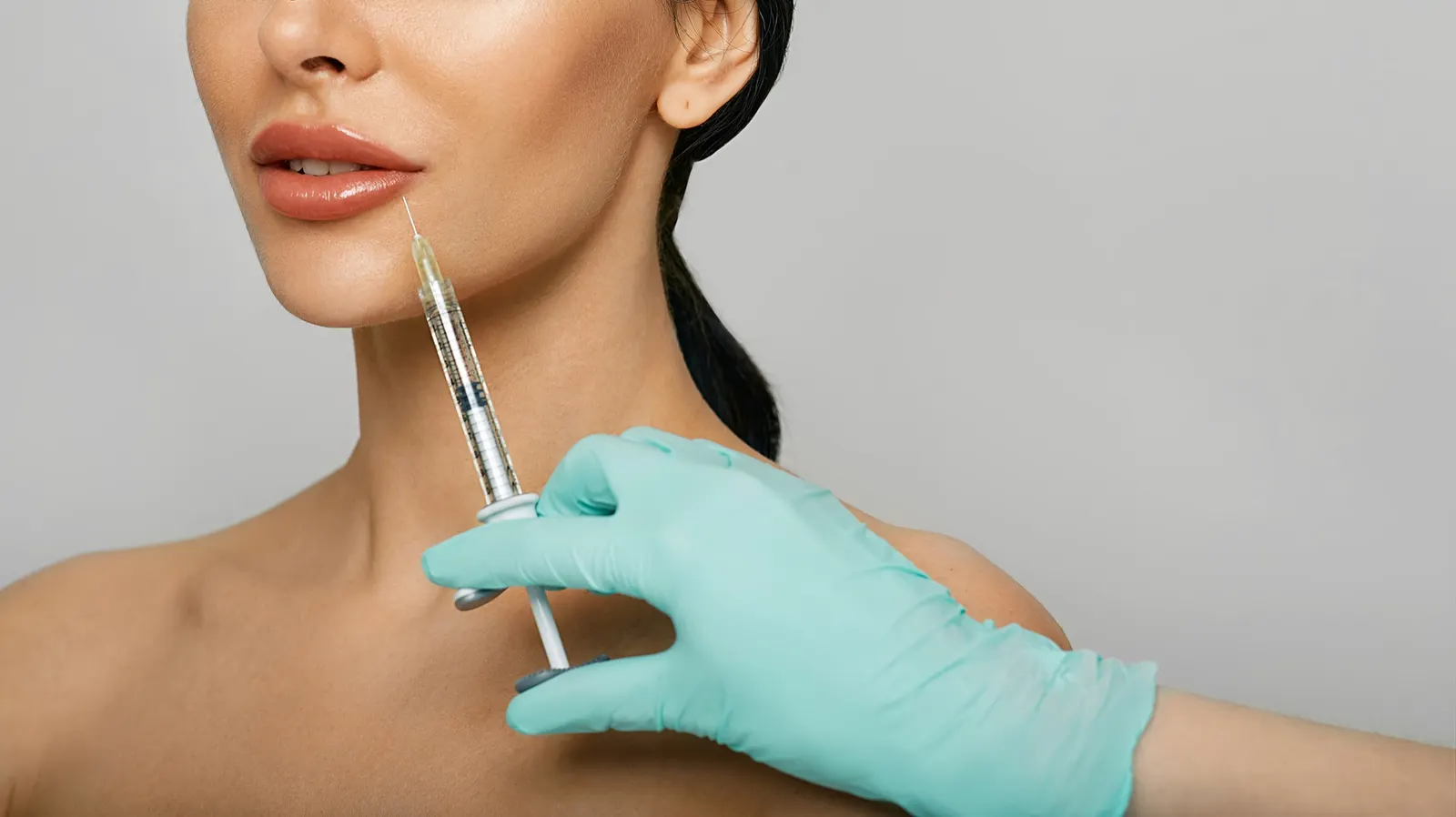
The question we hear most at the consultation is not "can I have bigger lips?". It is "how do I make sure nobody notices I had it done?". It is the right question. Good lip filler does not transform a face; it shows its most balanced version.
Lip filler with hyaluronic acid is one of the most requested treatments and one of the most poorly done. The difference between a natural result and the overdone look you have seen on social media comes down to three things: proportion, amount and technique. One at a time. If you want to see what we do, the lip filler page has the price and the usual questions.
1. Proportion: a third on top, two thirds below
Harmonious lips follow a classic proportion: the upper lip carries about a third of the total volume, the lower lip the other two thirds. Reverse it, with the upper lip projecting more than the lower, and the face gets the "duck" look nobody wants.
The same holds in profile. Lip projection should follow the line from the tip of the nose to the chin. Product beyond that line creates a volume that naturally full lips do not have.
A beautiful lip does not draw attention on its own. It fits with the nose, the chin and the eyes. A lip that gets noticed is, nearly always, a lip out of proportion.
2. Amount: less, nearly always
For most people, 1 ml is enough for the natural result they picture. On lips that are already full, less. More than that in a first session tends to pass the point where volume shows.
Our approach is conservative by conviction, not timidity. We would rather see you at 14 days and decide whether anything needs adding. Adding a small amount in a second session is easy. Dealing with excess afterwards is not.
We start with less than we are asked for. We assess at 14 days. If needed, we add. Never the other way around.
3. Technique: where it goes matters more than how much
The right amount in the wrong place gives an artificial result. Three points decide:
- The border, the line between the red of the lip and the skin: defined without projecting unnecessary volume.
- The tubercles, the small natural volumes that give the upper lip its heart shape: preserved.
- The body of the lower lip: this is where the main volume goes, to keep the proportion.
Needle or cannula matters too. A needle gives millimetre precision at specific points; a cannula reduces bruising and spreads more evenly. Case by case, no single technique for everyone.
The signs of a poor job
If you have had lip filler and are not comfortable with the result, or you are judging another clinic's work, these are the signs:
- Upper lip projecting more than, or as much as, the lower.
- A visible "shelf", a ridge of product above the natural lip line.
- A border that creeps into the philtrum, the area between lip and nose.
- Lips that do not move when you smile, from too much product.
- Obvious asymmetry between the two sides.
All of them are reversible. Hyaluronic acid dissolves with hyaluronidase, an enzyme applied in minutes.
What to expect on the day and in the weeks after
The session takes about 30 minutes, numbing cream included. You leave with filled lips and some swelling, which lasts 3 to 5 days. That is not the final result.
- Days 0 to 1: visible volume and swelling. No massage, heat, intense exercise or alcohol. Sleep with the head slightly raised.
- Days 2 to 5: the swelling goes down. A small bruise is possible and clears in 7 to 10 days.
- Days 7 to 10: the lips show their final shape. A hyaluronic acid balm keeps them hydrated.
- Day 14: final result and the review appointment. If a touch-up is needed, it is now.
If you have an event coming, book at least 3 weeks ahead.
When filler is not the answer
There are cases where hyaluronic acid is not the solution, and we say so before any needle.
- Lips that are already full but lack definition: a little product on the border only, or a lip flip with botulinum toxin, which turns the upper lip slightly outward without adding volume.
- A gummy smile: filler does not correct it, it makes it worse. The answer is botulinum toxin in the upper lip.
- Asymmetry from a neurological cause, such as partial facial palsy: needs a clinical assessment before any filler.
Three questions to ask before you book
If you can only ask three questions at the consultation, make them these.
- "Can you show me before and after photos of people with lips like mine?" People who do this work have photos. People who dodge the question have no results to show.
- "What will you use and why for me?" The answer should talk about the density and flexibility of the gel for your anatomy, not about brands.
- "What happens if I do not like it?" The right answer mentions hyaluronidase, and says when and how.
At Cosmo Clinic, every lip filler starts with a free assessment consultation, where we look at your anatomy, what you want and, just as important, what we will not do. A natural result does not happen by accident. It is decided before the needle touches the skin.
Frequently asked questions
Short answers to the questions we hear every day. Everything else belongs in the consultation.
How many ml should I have?
In a first session, 1 ml is enough for most lips. On lips that are already full, less. More than that first time tends to pass the point where volume shows. We would rather see the result at 14 days and add if needed.
Does it hurt?
Numbing cream 20 minutes before, and the product itself contains lidocaine. Most people describe mild discomfort that passes quickly.
How long does it last?
Between 4 and 6 months. Lips move a lot, and movement uses up hyaluronic acid faster than in other areas.
Can it be reversed if I do not like it?
Yes. Hyaluronic acid dissolves with hyaluronidase, an enzyme applied in minutes at the clinic. You are never stuck with a result you do not like.
When do I see the final result?
Volume shows on the day, but for the first 3 to 5 days swelling distorts the shape. The final result shows on day 14, when the product settles.
Can I have it before an event?
Yes, at least 3 weeks before. By then the swelling has gone and the lips are in their final shape.
Why do some lip fillers look overdone?
Almost always too much volume, in one session or built up over several without dissolving the last, and poor distribution: the upper lip fuller than the lower, product above the natural lip line.
How much does it cost?
At Cosmo Clinic, 1 ml of lip filler costs €189. The assessment consultation is free.
Related treatments
Keep reading
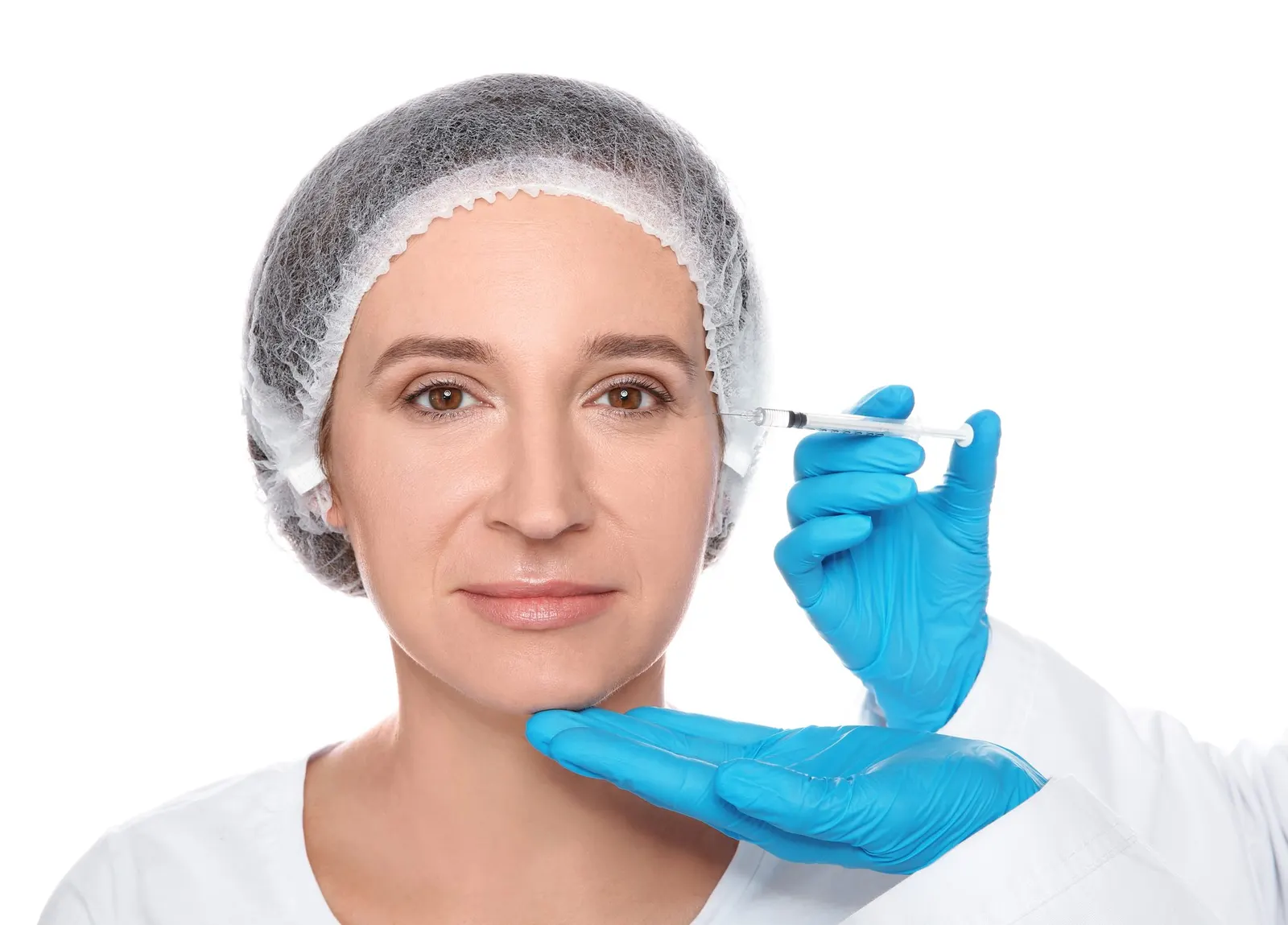 Clinical guide
Collagen biostimulators: when, why and which one
A filler adds volume this week. A biostimulator gets the face to make its own collagen over months. Different tools, for different problems, and the choice between calcium hydroxylapatite and poly-L-lactic acid is made with your face in front of us, not from a catalogue.
 Fillers
Lip filler aftercare: day 1, day 3, day 14
Lips swell after filler. That is normal. What you do in the days that follow decides how fast they settle into their final shape and how clean the result is.
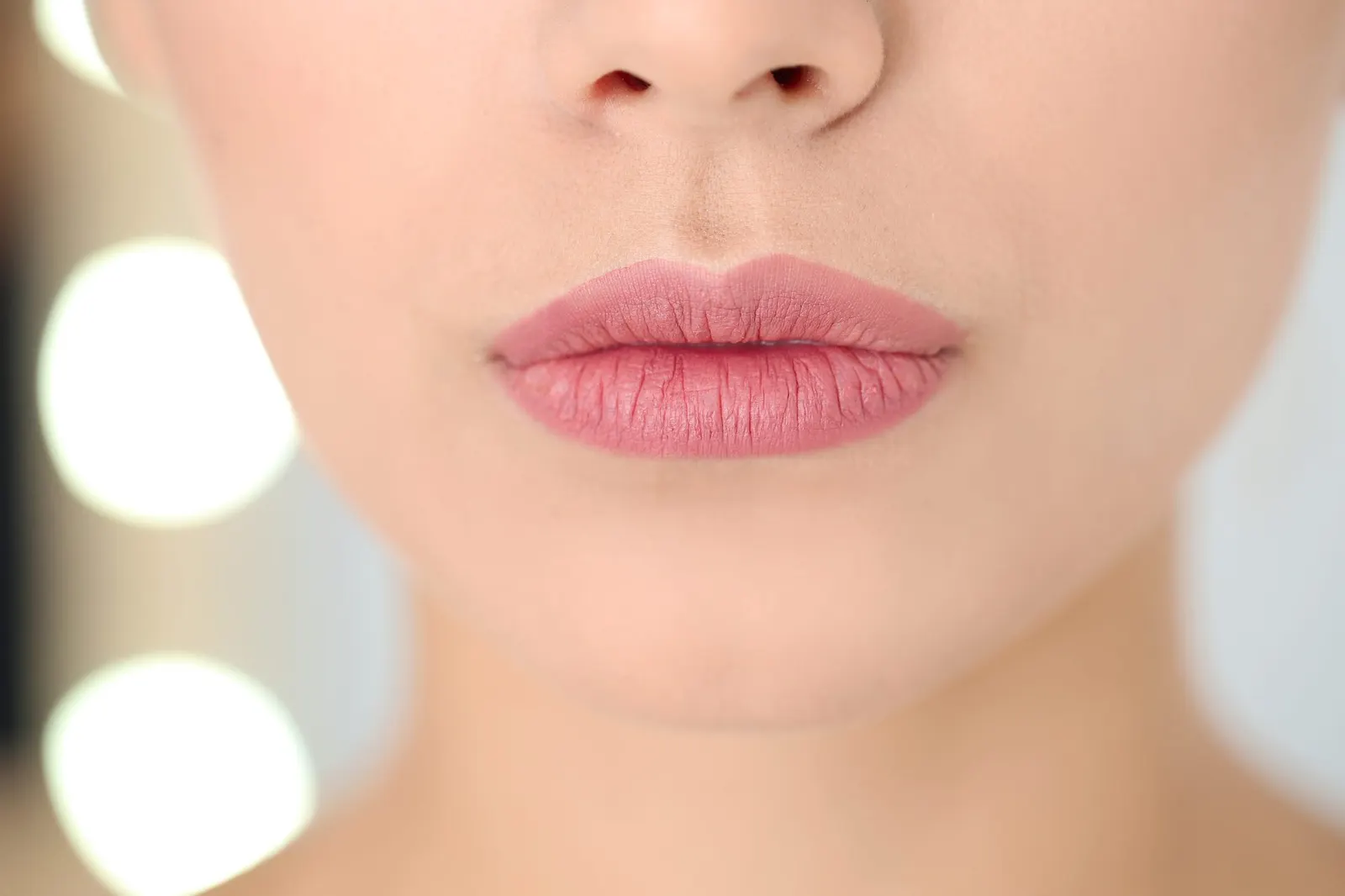 Clinical guide
Lip filler in Lisbon: what to know if you live here and speak English
The same CE-marked hyaluronic acid fillers as in the UK or Ireland. 1 ml for €189. A consultation in your own language. What the appointment looks like, and how the two weeks after work if you are travelling.
Book a consultation
Start with a conversation.
Leave your name and number. We call or reply on WhatsApp, in English or Portuguese.
- Assessment consultation free of charge
- Prices published for every treatment
- No commitment