
Botulinum toxin · 7 min read
When to start botulinum toxin? Not an age, a pattern
The answer is not on your birth certificate. It is in what your muscles do, the lines that already stay at rest, and what you want to keep. The criteria, without age dogma.

"What age should I start?" is one of the most common questions at a first consultation. The honest answer is that there is no right age for everyone. There is a clinical indication, or there is not.
Treating botulinum toxin as an age milestone, start at 25, start at 30, pulls attention away from what counts: each face's anatomy, the strength of each muscle, and the lines that already exist, or don't. Here are the criteria we use, what preventive toxin is and is not, and the signs worth a consultation.
What preventive toxin actually is
Botulinum toxin type A blocks, for a few months, the signal between the nerve and the muscle it is placed in. The muscle contracts less, the skin over it creases less, and the line that was being etched there advances more slowly.
The logic is well known. Dynamic lines, the ones you only see with expression, become static, the ones that stay at rest, through repetition over years. Frowning every day for decades marks the glabella even with a relaxed face. Preventive toxin interrupts that cycle before the mark sets.
Corrective toxin treats lines that already stay at rest. Preventive toxin acts on the muscle pattern before that. Different indications, different doses.
One thing to be clear about: the preventive effect is not permanent. The toxin lasts 4 to 6 months. To prevent anything, the treatment has to be kept up, which means commitment and cost over time. That is a sum to do before you start.
Ages: context, not a rule
Rather than a minimum age, it is more useful to think about what we see most often in each bracket.
| Age range | What we see most often | Usual approach |
|---|---|---|
| 18–24 | Dynamic lines only with strong expression; elastic skin | Rarely indicated; only with a very active muscle pattern |
| 25–30 | More defined dynamic lines; in some people, faint lines at rest after long expression | Case by case; preventive possible in very marked patterns |
| 30–40 | Dynamic lines established; first faint static lines on the forehead, glabella or eyes | The most common bracket to start, corrective or preventive |
| 40+ | More defined static lines; less elasticity | Corrective; preventive to hold the rest |
Variation within each bracket is wide. There are 28-year-olds with the glabella already marked at rest and 42-year-olds with elastic skin and no fixed line. Genetics, accumulated sun, smoking and skin hydration weigh more than the calendar.
Signs worth a consultation
The useful question is not "how old am I?". It is "what am I seeing?".
- Lines that stay at rest on the forehead, between the brows or at the eye corners, and do not fade with a relaxed face.
- A crease that takes time to go. Frown, smile, relax. If the line takes more than 5 to 10 seconds to disappear, the skin is starting to remember it.
- A muscle pattern that bothers you. Frowning without meaning to, one brow rising more than the other, a forehead that never rests.
- An asymmetry the toxin can balance, such as a smile that shows a lot of gum.
- History: relatives who marked early in this area, or a lot of sun in recent years.
Having none of these signs does not mean treatment is wrong. It means the consultation will probably conclude there is no indication yet. A serious clinic says so, even when it means not treating.
The case against starting too early
"The earlier the better" has no uniform backing. There are reasons to wait.
Without an indication there is no benefit you can measure. Treating 22-year-old skin with no dynamic lines is treating what does not exist yet. The risk is not zero, it includes a temporarily dropped eyelid, asymmetry and bruising, and the benefit at that stage is theoretical.
Starting very early can build a dependence on the result that makes dose changes or pauses over a lifetime hard to accept. Continued use for many years in the same area can weaken the treated muscle a little; the implications over decades are not well studied yet. And starting at 22 may mean 40 years of regular treatments. That sum belongs in the decision.
At Cosmo Clinic there is no starting-age policy. We look at what is on each person's face and what they want to keep or correct. If there is no indication, we say so.
What happens at the first consultation
For anyone who has never had it, knowing what to expect removes most of the doubt. At Cosmo Clinic, a first botulinum toxin consultation has six steps.
- Medical history. Medication, clotting, pregnancy or breastfeeding, previous treatments.
- The face in motion. The clinical team watches how the forehead, the glabella and the eye corners contract.
- The face at rest. Which static lines already exist, and how elastic the skin is.
- Clinical photographs. The reference for comparison later.
- A treatment plan. Areas, estimated dose, expected result, limits. In writing, with the price, before you decide.
- The decision is yours. The consultation does not end in a mandatory treatment. Treatment happens that session or another, as you prefer.
If someone proposes treatment without watching your face move, without photographs and without a written plan, the process is not being done as it should.
The usual areas for preventive toxin
- Forehead. The horizontal lines when you raise your brows. Preventively, the dose is conservative, to keep mobility and not drop the brow.
- Frown lines. The vertical lines when you frown. The area with the most evidence for a preventive approach in very active patterns.
- Eye corners. Crow's feet. They appear early in people who get a lot of sun or are very expressive.
- Nose. The diagonal lines across the bridge when you frown, the bunny lines. Less common.
Each area has its own anatomy and its own risks. Dose, depth and injection point change from person to person for the same result.
A note for English speakers in Lisbon
A good share of Cosmo Clinic's patients are people who live in Lisbon and speak English, or visitors. Three things to know. Portuguese regulation is strict: botulinum toxin is a prescription medicine regulated by INFARMED, given by qualified health professionals in a clinic registered with the ERS. The price is published: €150 per area, €189 for the forehead, and the assessment consultation is free. And timing matters if your stay is short: allow 3 to 5 days for any bruising and 10 to 14 days for the full effect, so book at the start of your stay, not the end.
Who has an indication, and who does not
The indication for preventive treatment is not defined by age bracket. Clinically, those with a clearer indication tend to:
- Have expression lines that stay moderately visible at rest, not only when moving the face.
- Have a family history of early facial marking in the same zones.
- Have a lighter skin phototype, where the skin tends to mark earlier.
- Understand it is a maintenance treatment: the effect lasts 4 to 6 months and needs renewing to have a preventive effect.
Those without an indication: people with no resting lines, people considering treatment from external pressure without their own motivation, and people with medical contraindications. An assessment consultation, which is free, says clearly which group you are in. The answer may be not yet, and that is equally valid.
The answer to the question
When to start? When the clinical team sees your face and finds an indication: dynamic lines setting in, a muscle pattern that bothers you, an asymmetry that has an impact. Not before.
If you are between 25 and 35 and seeing the first signs described here, the assessment consultation, which at Cosmo Clinic is free, tells you whether there is an indication right now. No pressure to treat. Prices are on the botulinum toxin page.
Frequently asked questions
Short answers to the questions we hear every day. Everything else belongs in the consultation.
From what age can you have botulinum toxin?
From 18. For aesthetic use the decision is not the age: it is whether dynamic lines are setting in or a muscle pattern justifies it. Most first treatments happen between 25 and 35.
What is preventive botulinum toxin?
Treating the high-expression areas, forehead, frown lines, eye corners, before a dynamic line becomes a static one, the kind that stays at rest. The muscle contracts less and the skin creases less.
Does preventive treatment work?
The evidence points to less progression from dynamic to static lines in high-expression areas. But it needs maintenance, usually every 4 to 6 months. One session on its own prevents nothing.
Is it safe to start young?
In a clinical setting, with a certified product and a trained team, it is safe in adults. The right question is not your age but whether there is an indication. A team that declines to treat when there is none is doing its job.
What is the sign that it is time?
A line that stays faintly at rest, not only with expression. If it disappears completely when you relax your face, you may not need it yet.
Is there an age after which it no longer works?
No. The toxin acts on the muscle at any age. On skin with a lot of laxity or very deep static lines the result is more limited, and other treatments may complement it.
Related treatments
 Botulinum toxin · Bunny lines
Bunny lines botulinum toxin
Softens the small lines on the sides of the nose.
 Botulinum toxin · Chin
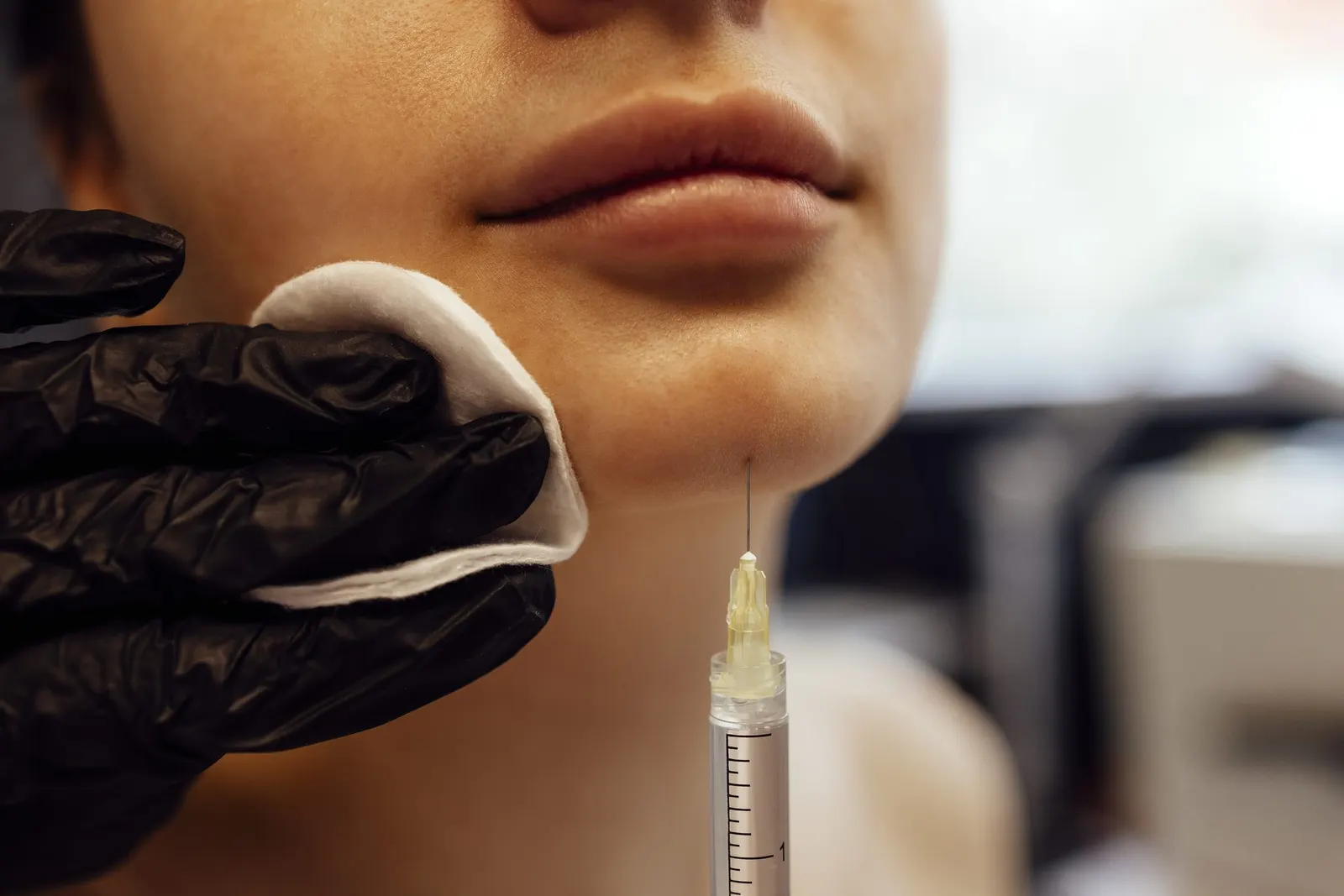
Chin botulinum toxin
Smooths the orange-peel texture of the chin when you talk or smile.
 Botulinum toxin · Crow's feet
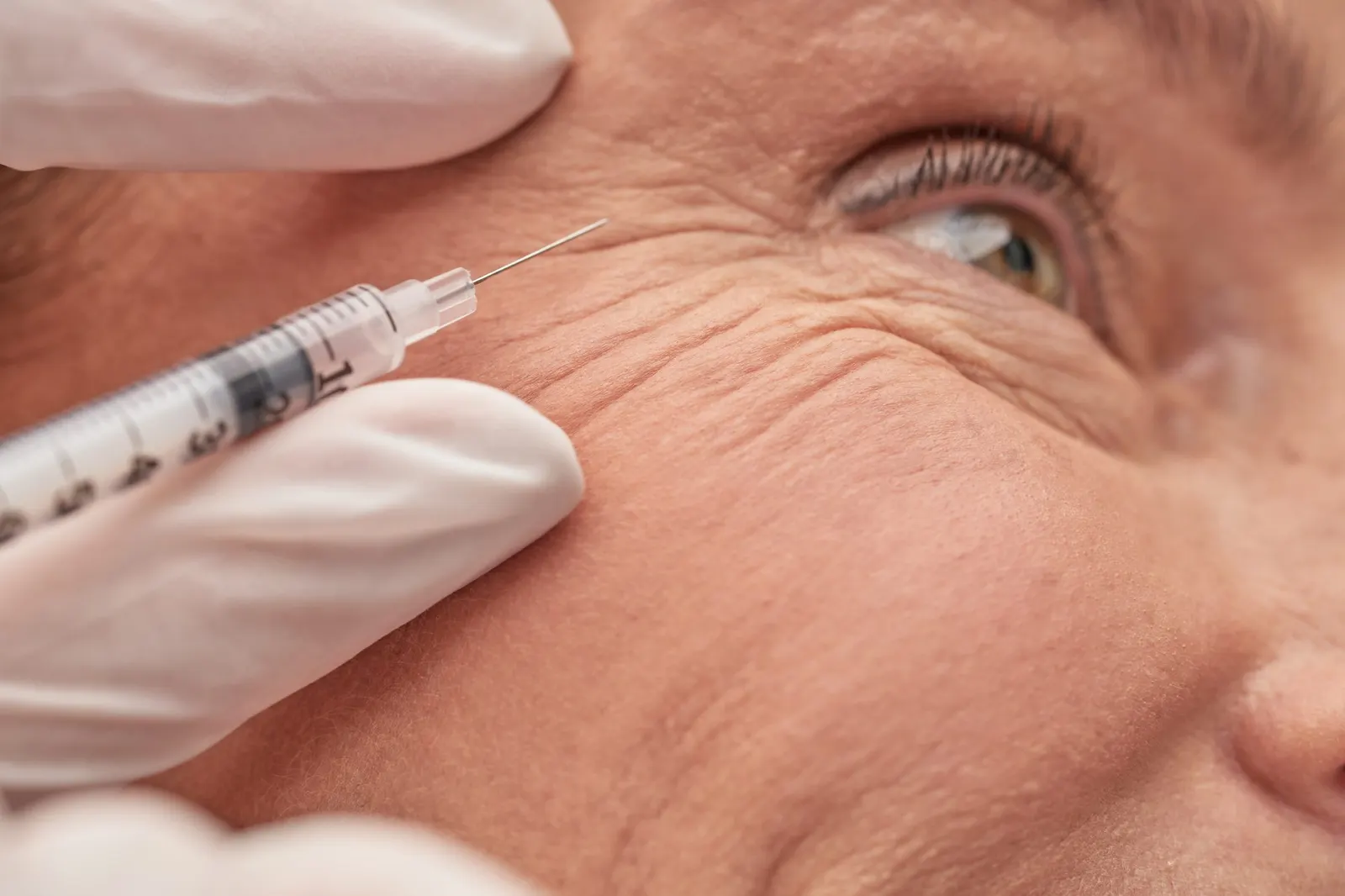
Botulinum toxin for crow's feet
Softens the lines beside the eyes without taking the smile.
Keep reading
 Botulinum toxin
How long does botulinum toxin last? Three to six months, depending on you
It is the question everyone asks before a first treatment. The answer has numbers by area, a day-by-day calendar, and three or four things that make the effect last longer or shorter in your case.
 Botulinum toxin
Botulinum toxin aftercare: the first 24 hours
Almost every question comes after the treatment. Can you go to the gym? Lie down? Have a glass of wine at dinner? Wash your face? The answers, with the reason behind each one.
 Clinical guide
Botulinum toxin: what can go wrong, and what cannot
Anyone considering botulinum toxin deserves numbers, not alarm and not reassurance. The common effects and how long they last, the rare complications and how they happen, who should not have it, and what changes with who injects.
Book a consultation
Start with a conversation.
Leave your name and number. We call or reply on WhatsApp, in English or Portuguese.
- Assessment consultation free of charge
- Prices published for every treatment
- No commitment