
Clinical guide · 5 min read
Facial fillers: the complete clinical guide
How hyaluronic acid behaves in the tissue, eight areas, duration by zone, reversibility with hyaluronidase, risks and aftercare. Everything the Cosmo Clinic clinical team covers before any filler treatment.
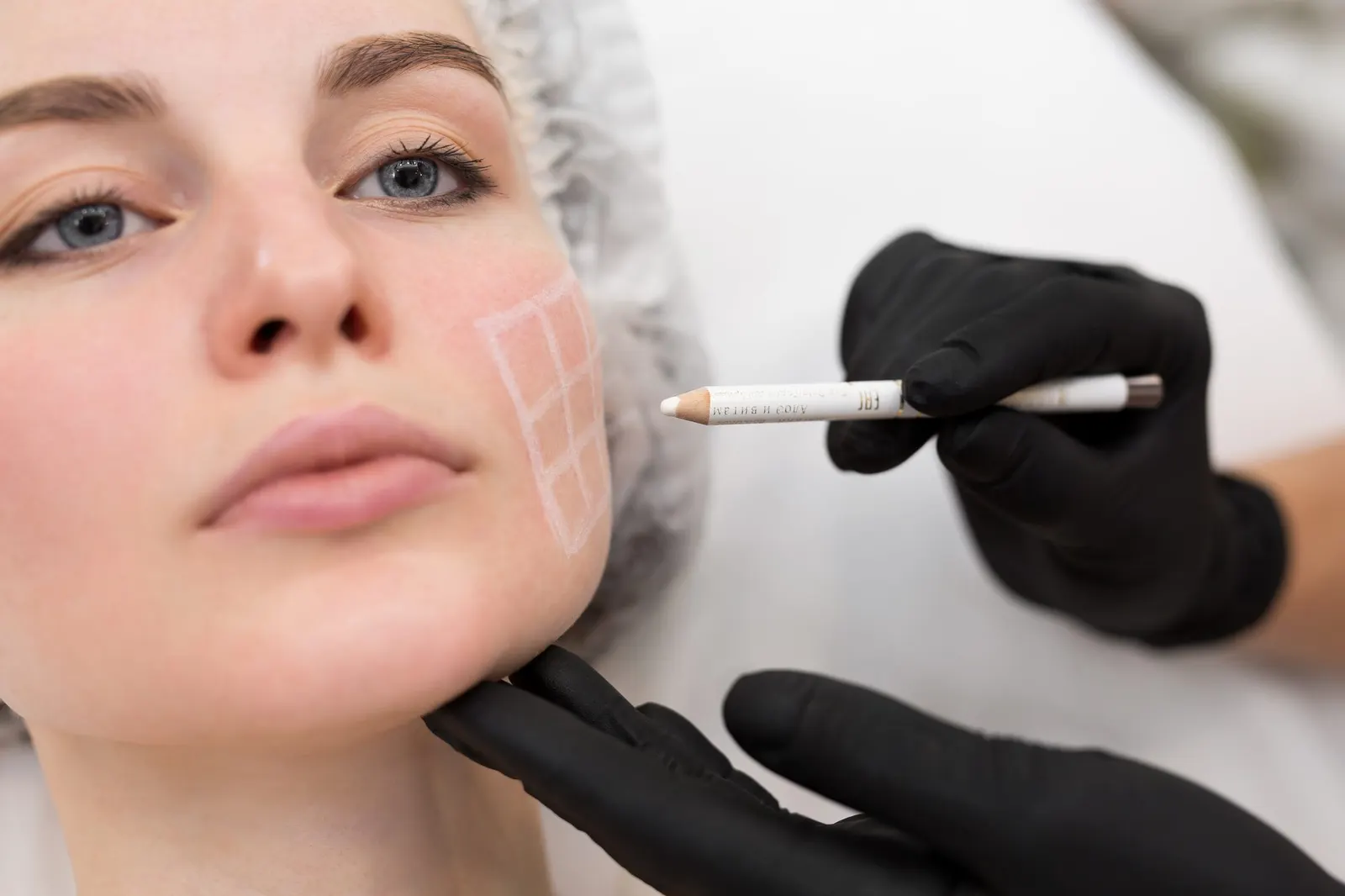
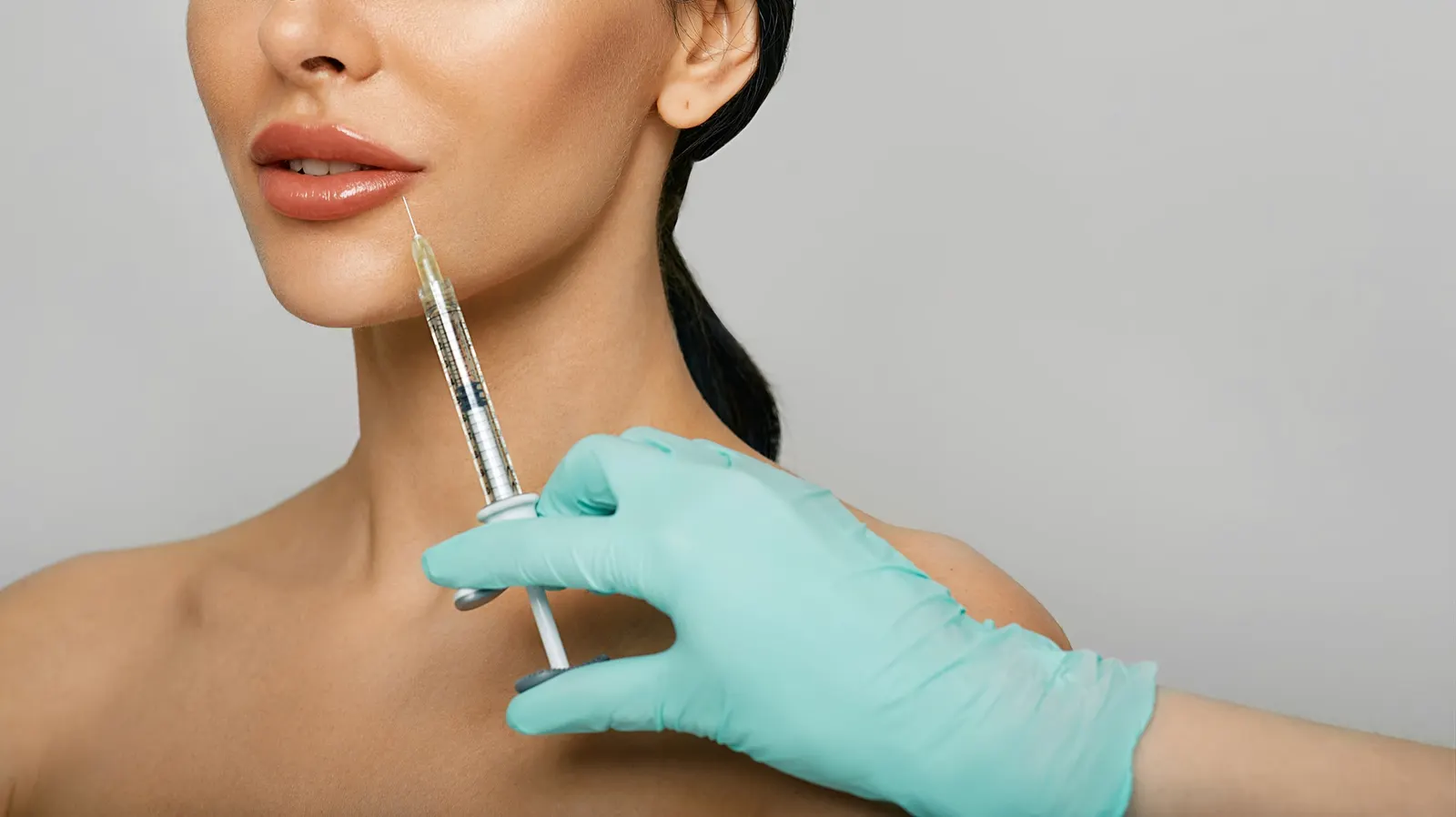
Facial filler with hyaluronic acid restores volume and defines contours. The result is visible from the session and reversible at any point with hyaluronidase. This guide covers how hyaluronic acid behaves in the tissue, which areas have an established indication, how long results last by area, what can go wrong and what to do afterwards. It is what the Cosmo Clinic clinical team covers at the assessment consultation before any treatment.
What hyaluronic acid filler is
Hyaluronic acid (HA) is a molecule produced naturally by the body, present in the skin, joints and eyes. With age, production decreases: the skin loses thickness and the face loses volume. Injectable HA, in a cross-linked form that resists enzymatic breakdown, replaces and restores what time has taken.
Unlike botulinum toxin, HA does not act on muscles. It acts in the soft tissue: filling folds, defining contours, adding projection and deep hydration. The result is visible on the day of the session and reversible, because the product can be dissolved with hyaluronidase at any time.
Hyaluronic acid fillers are metabolised gradually by fibroblasts over months. Duration depends on the zone, local mobility, vascularity and individual metabolism.
How the product is chosen
Cross-linked HA comes in formulations with different densities and properties. A firmer gel supports structure, suitable for the jawline and cheeks. A softer gel distributes more gently, suited to lips and under-eyes. The product is selected by the clinical team for each zone and goal: lips with a gel that is too firm look artificial; a jawline treated with a gel that is too soft has no support.
Total volume, by zone, is decided with the face visible and is based on proportions and existing anatomy. There is no catalogue formula.
Areas treated
Areas with established aesthetic indication at Cosmo Clinic:
- Lips: volume, contour definition and hydration. Duration 4 to 6 months.
- Cheeks: volume and projection in the mid-face. Duration 12 to 18 months.
- Chin: projection and definition. Duration 12 to 18 months.
- Jawline: definition of the lower contour. Duration 9 to 18 months.
- Under-eyes: correction of the shadow and hollow below the eyes. A delicate area requiring specific technique. Duration 9 to 12 months.
- Nasolabial folds: the lines from nose to mouth. Duration 6 to 12 months.
- Nose filler (non-surgical): correction of asymmetries and the nose tip without surgery. Duration 9 to 12 months.
- Barcode lines: the fine vertical lines above the lip. Duration 6 to 9 months.
Reversibility with hyaluronidase
Hyaluronidase is an enzyme that dissolves hyaluronic acid. If the result is unsatisfactory, if a complication arises, or if you simply change your mind, dissolving is possible. It is a clinical procedure, done at the clinic, with effect within 24 to 48 hours. Price and details are on the hyaluronidase page.
Biostimulators and botulinum toxin are not reversible with hyaluronidase. Reversibility is a property specific to hyaluronic acid.
What to expect: before, during and after
Before. The clinical team assesses the proportions, documents with photographs and defines the treatment plan before any application.
At the session. Duration 30 to 60 minutes depending on the number of zones. Numbing cream beforehand. Cannula technique wherever possible, to reduce bruising risk. Right after, swelling and redness at the entry points are normal.
In the days that follow. Swelling peaks in the first 24 to 48 hours, then falls. The final result is assessed at day 14, once swelling has resolved and the gel has integrated.
Risks and complications
With an approved product and correct technique, the safety profile is well documented. The most common:
- Bruising at the cannula or needle entry points. Passes in 5 to 10 days.
- Swelling in the first 24 to 48 hours, more pronounced on the lips.
- Transitional asymmetry while swelling resolves. Assessed at day 14.
Less common: a nodule at the injection point, treatable with hyaluronidase or massage depending on the case.
Rare and urgent: vascular occlusion by compression or inadvertent injection into a vessel. It is the most serious complication and has specific signs: pallor in the area, intense pain that does not ease, a bluish patch. In that case, contact the clinic immediately.
The clinical team assesses vascular risk at the consultation: treatment history, medication, vascular anatomy. Emergency protocol includes hyaluronidase in stock at the clinic.
Who should not have it
Contraindications: pregnancy and breastfeeding, active coagulopathy, documented allergy to hyaluronic acid or lidocaine, active infection in the area. Anticoagulants are discussed case by case.
Aftercare
In the first 24 to 48 hours: no pressure or massage on the treated areas, no intense exercise, no alcohol, no intense heat (sauna, very hot bath), no prolonged sun exposure.
For the lips specifically: no forceful kissing, no drinking through a straw, no lipstick for the first 4 to 6 hours. Full details in lip filler aftercare.
Filler or biostimulator?
The most common choice: filler adds volume and defines contours on the day, lasting 4 to 18 months by area, reversible with hyaluronidase. A collagen biostimulator rebuilds dermal density over months, lasts 12 to 24 months, and is not reversible. Different tools for different problems: specific volume loss versus diffuse loss of firmness. In many people, both are used in separate sessions.
Cost
The cost depends on the area and the volume. Prices are on each treatment page: lips, cheeks, under-eyes. You can also see the full filler range. The assessment consultation is free.
Frequently asked questions
Short answers to the questions we hear every day. Everything else belongs in the consultation.
Is hyaluronic acid filler reversible?
Yes. Hyaluronic acid dissolves with hyaluronidase. Dissolving is a clinical procedure, usually quick, and can be done at any point after the treatment. Biostimulators are not reversible.
How long does filler last?
It depends on the area. Lips: 4 to 6 months. Cheeks, jawline, chin: 9 to 18 months. Nasolabial folds and under-eyes: 6 to 12 months. Metabolism, sun and smoking shorten all of these.
Is the result visible straight away?
The volume is visible right after the session. The final result is assessed at day 14, once the swelling has resolved and the gel has integrated into the tissue.
Can I have filler and botulinum toxin in the same session?
Yes, in many cases. They are complementary: botulinum toxin treats expression lines at the muscle; filler treats volume and static wrinkles in the soft tissue. This is decided at the assessment consultation.
Who should not have it?
Pregnant and breastfeeding women, people with active coagulopathy, a documented allergy to hyaluronic acid or lidocaine, and an active infection in the area. Anticoagulants are discussed at the consultation on a case-by-case basis.
Related treatments

Keep reading
 Fillers
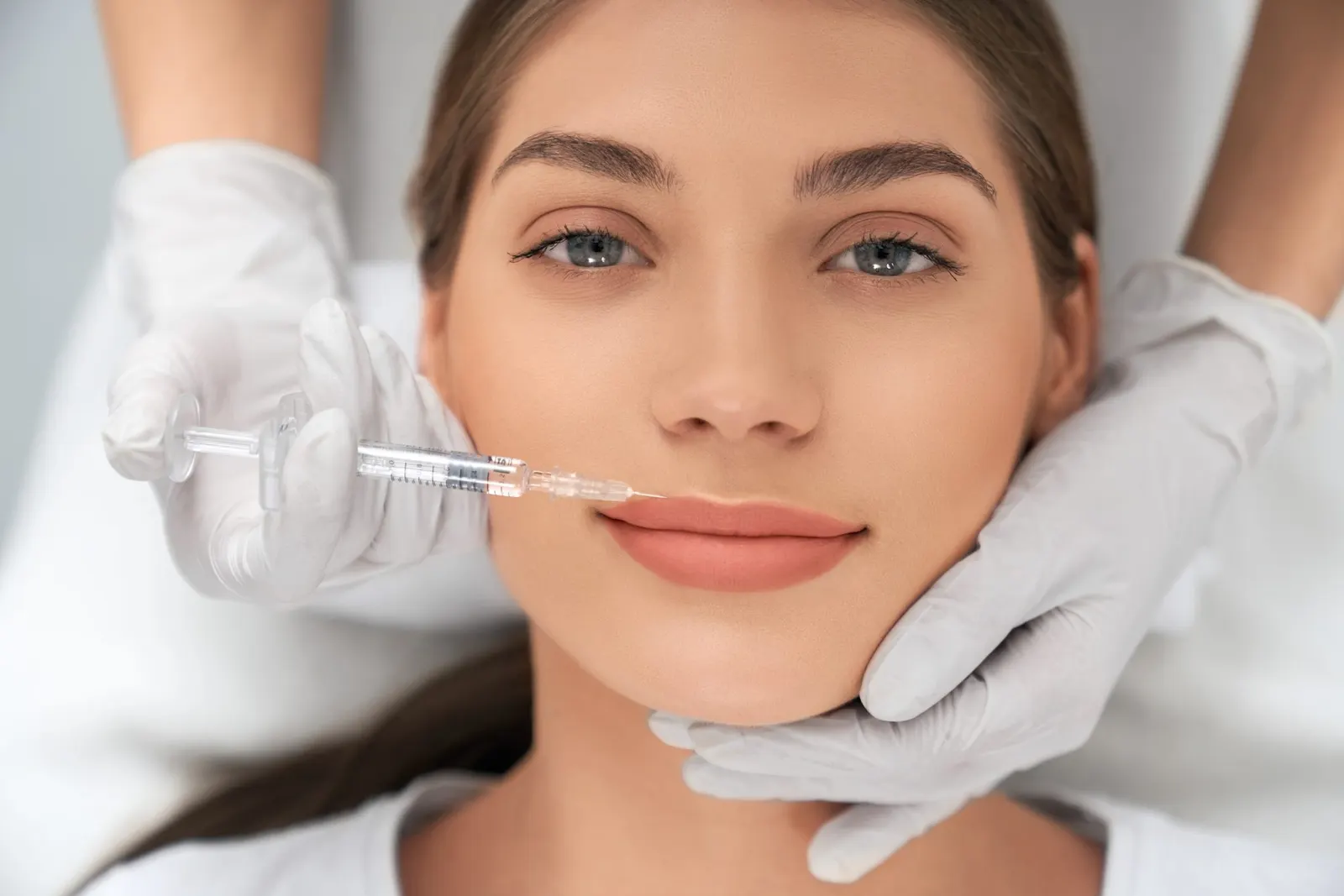
Lip filler aftercare: day 1, day 3, day 14
Lips swell after filler. That is normal. What you do in the days that follow decides how fast they settle into their final shape and how clean the result is.
 Fillers
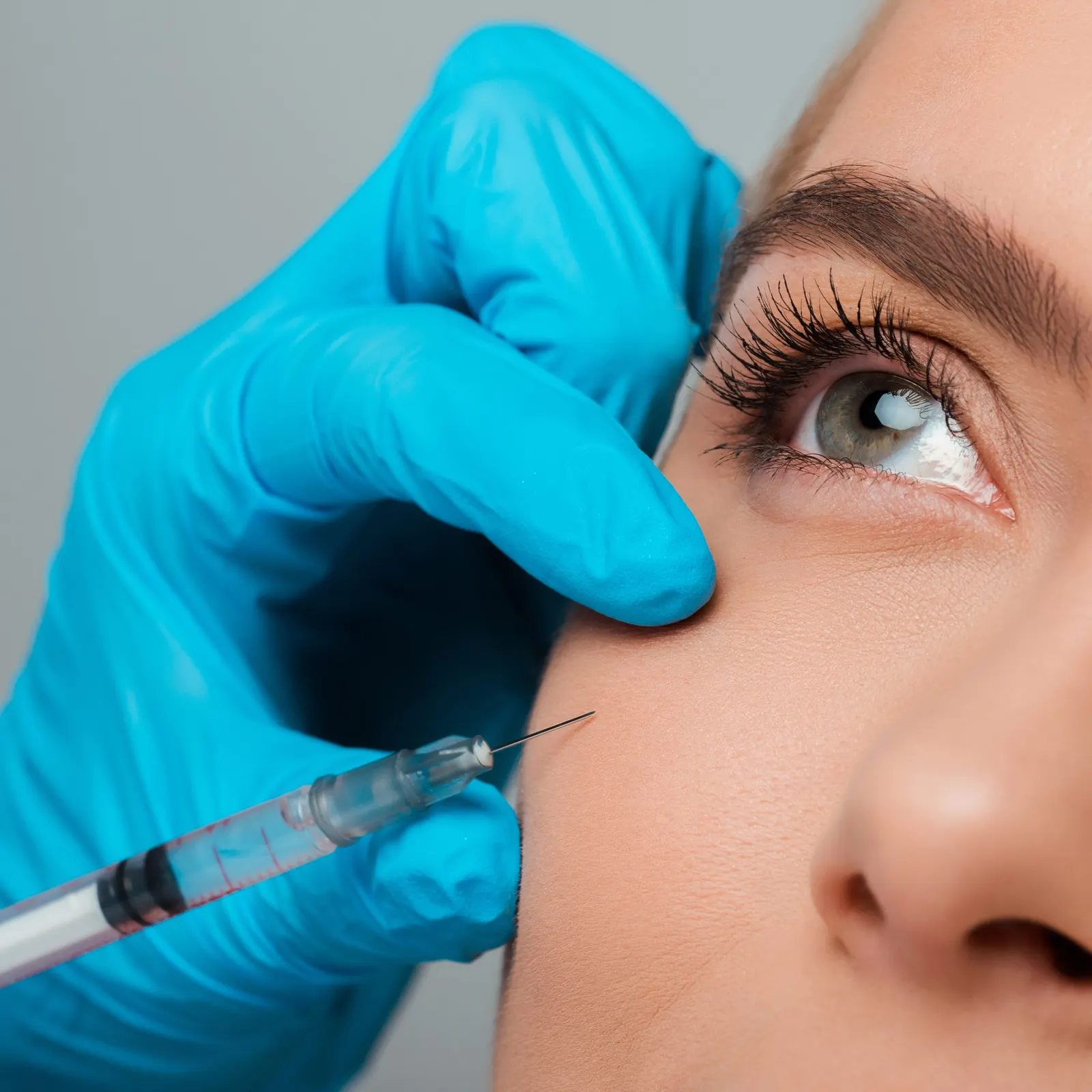
Natural lip filler: how to avoid the overdone look
The question we hear most is not "can I have bigger lips". It is "how do I make sure nobody notices". The answer sits in three things: proportion, amount and technique. This guide takes each one.
 Clinical guide
Skin boosters vs biostimulators: the complete guide
Skin booster, NCTF, poly-L-lactic acid and calcium hydroxylapatite: what they are, what they do in the tissue, how many sessions, what recovery is like, what they cost and how we choose with you. Everything the Cosmo Clinic clinical team assesses before picking the product.
Book a consultation
Start with a conversation.
Leave your name and number. We call or reply on WhatsApp, in English or Portuguese.
- Assessment consultation free of charge
- Prices published for every treatment
- No commitment