
Fillers · Nasolabial folds
Nasolabial fold filler
The nasolabial fold is the line from the nose to the corner of the mouth. Everyone has it; what changes with age is the depth. When the cheek drops, the skin folds over the line and it exists at rest too. Hyaluronic acid lifts the floor of the fold and the line softens.
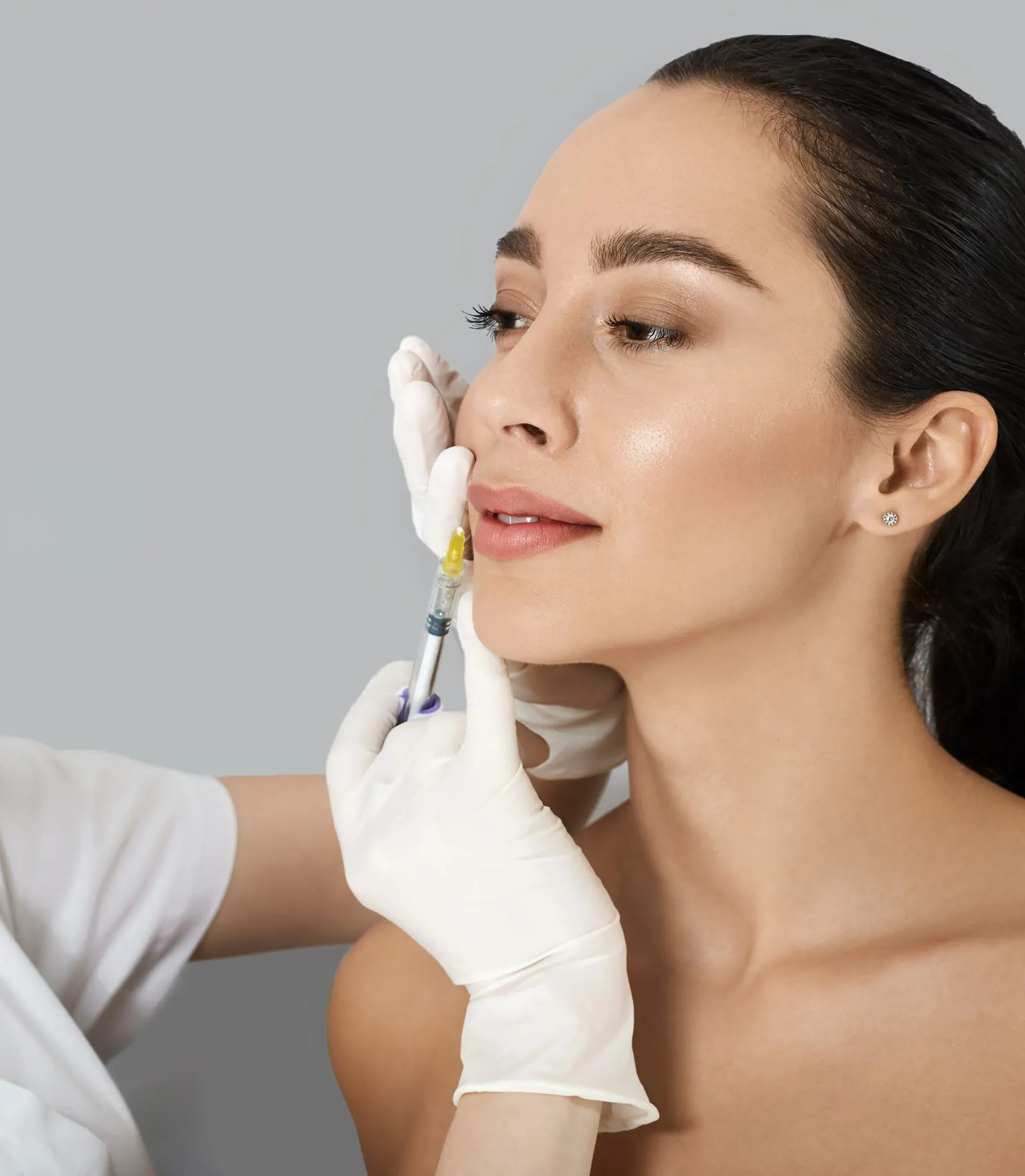
The fold is not always what gets treated. If the cause is a cheek that has dropped, restoring the support above does more and uses less. At the consultation we look at the face from the front and the side, touch the area and tell you where to start.
The session takes 30 minutes. It costs €219 per millilitre. It lasts 9 to 15 months.
What changes with nasolabial fold filler
A medium-density hyaluronic acid gel placed in the floor of the line that runs from the nose to the corner of the mouth. Everyone has the fold; what changes with age is the depth. The gel lifts the floor and the line softens.
Is it for you?
A fold marked at rest, at any age; depth matters more than birthdays. If it only shows with expression, we tell you it does not make sense yet.
What happens in the session
Numbing cream, then the gel with a cannula: one entry point, fewer bruises. One session; we assess at two weeks and adjust if needed. Thirty minutes.
What you'll see, and when
The same day; definitive at two weeks. It lasts 9 to 15 months.
After the treatment
Nothing to keep you home. No gym, sauna or alcohol for 48 hours.
Why it looks natural
The aim is to soften, never erase: everyone has this fold, and a face with none at all looks strange. The gel lifts the floor of the line rather than filling it flush, and when the real cause is a cheek that has dropped, we treat the cheekbone above instead; it does more with less product. Often 1 millilitre covers both sides.
Honest answers
Will it show? The same day; definitive at two weeks, when we assess and adjust if needed.
Does it hurt? Numbing cream first, then the gel with a cannula: one entry point, fewer bruises.
What if I don't like it? Hyaluronic acid dissolves with hyaluronidase (€150), fully or partly.
How we do it at Cosmo Clinic
The fold is not always what gets treated. When the cause is a cheek that has dropped, cheekbone filler above does more and uses less. The aim is to soften, never erase: a face with no fold at all looks strange. Often 1 millilitre covers both sides. €219 per millilitre. The consultation is free.
Options and prices
| Treatment | Price |
|---|---|
| Lip filler — 1 ml | 189 € |
| Dermal filler — 1 ml (chin, cheeks, jawline, temples, nasolabial, marionette, barcode) | 219 € |
| Under-eye filler | 328 € |
| Non-surgical rhinoplasty (rinofiller) | 368 € |
| Hyaluronidase (filler dissolving) | 150 € |
The plan and the final figure are confirmed at the assessment consultation, at no cost.
At a glance
What to expect
Results
- A shallower fold; the line softened at rest.
- A more rested expression; the smile unchanged.
- Visible the same day, final in two weeks.
- Lasts 9 to 15 months.
Key features
- Medium-density gel, placed in the floor of the fold.
- Cannula: one entry point, fewer bruises.
- 30 minutes, back to your day.
- €219 per millilitre, price per treatment.
Frequently asked questions
Short answers to the questions we hear every day. Everything else belongs in the consultation.
Fold or cheekbones first?
If the fold is there because the cheek dropped, the cheekbones. Restoring the support above softens the fold below. If the fold is marked with the cheeks in place, we treat the fold. At the consultation we see which case it is.
How long does it last?
Between 9 and 15 months. The area moves, and the gel breaks down a little faster than in the cheekbones.
Can I have it at 30?
You can, if the fold is marked at rest. Age matters less than depth. If it only shows with expression, we tell you it does not make sense yet.
Will my face look flat?
Only with too much product. The aim is to raise the floor of the fold. Erasing it entirely would look strange. We prefer to soften.
How many sessions?
One. We assess at two weeks and adjust if needed.
Does it hurt?
Numbing cream and lidocaine in the gel. With a cannula, you feel pressure and little more.
How much product is needed?
Often 1 millilitre for both sides. Deep folds may need more, or may need the cheekbones first.
Similar treatments

Related articles
To read before you decide, in your own time.
 Fillers
Natural lip filler: how to avoid the overdone look
The question we hear most is not "can I have bigger lips". It is "how do I make sure nobody notices". The answer sits in three things: proportion, amount and technique. This guide takes each one.
 Fillers
Lip filler aftercare: day 1, day 3, day 14
Lips swell after filler. That is normal. What you do in the days that follow decides how fast they settle into their final shape and how clean the result is.
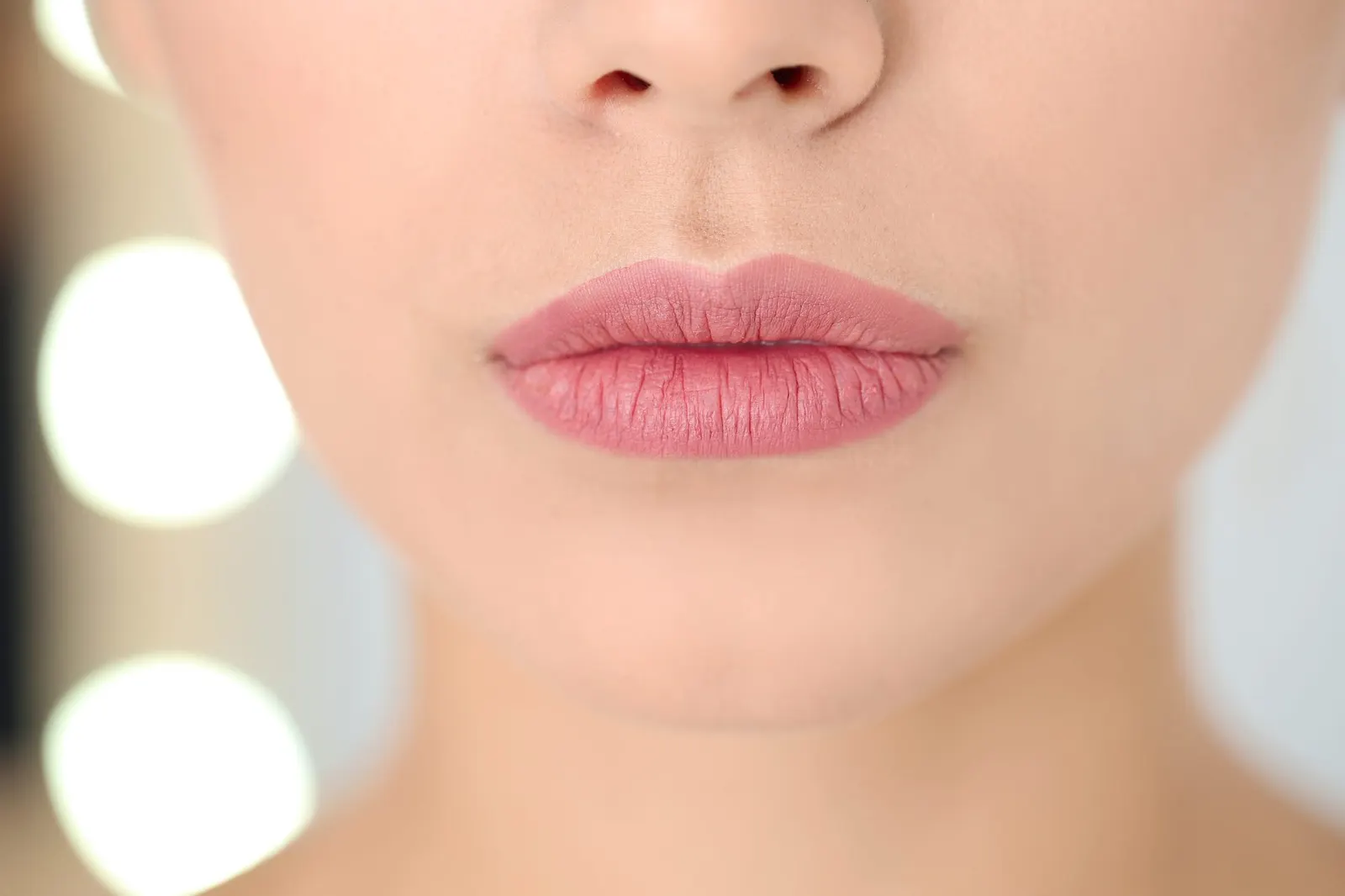 Clinical guide
Lip filler in Lisbon: what to know if you live here and speak English
The same CE-marked hyaluronic acid fillers as in the UK or Ireland. 1 ml for €189. A consultation in your own language. What the appointment looks like, and how the two weeks after work if you are travelling.
Book a consultation
Start with a conversation.
Leave your name and number. We call or reply on WhatsApp, in English or Portuguese.
- Assessment consultation free of charge
- Prices published for every treatment
- No commitment